“Is now a good time to buy?” This question naturally arises when you’re considering your dream home in Southwest Florida. Making this significant investment deserves careful thought.
Rather than attempting to predict what the market will do next, this article will help you evaluate whether this is the right moment for your custom home journey. We’ll examine two key considerations: Florida’s unique seasonal patterns and how current market conditions should factor into your decision.

Understanding Southwest Florida’s Seasonal Patterns
Southwest Florida operates on a distinctive seasonal rhythm that affects construction activity throughout the year. Peak season runs from October through April when snowbirds arrive, and building activity intensifies across Cape Coral, Naples, and Marco Island.
The wet season, spanning June through September, brings afternoon storms but doesn’t halt construction progress. The dry season from October through May offers more predictable weather, though it also comes with higher demand from other homebuyers and builders.
An important perspective is that by understanding what to expect during the custom home building process, you’ll see that timelines typically range from 12 to 18 months. This means seasons will begin and end during your project, regardless of when you start. Your home will experience both wet and dry periods during construction.
The “is now a good time to buy” question isn’t really about avoiding certain seasons. It’s about understanding how seasonal patterns might affect your building experience and completion timeline.
Starting During Wet Season: Key Advantages
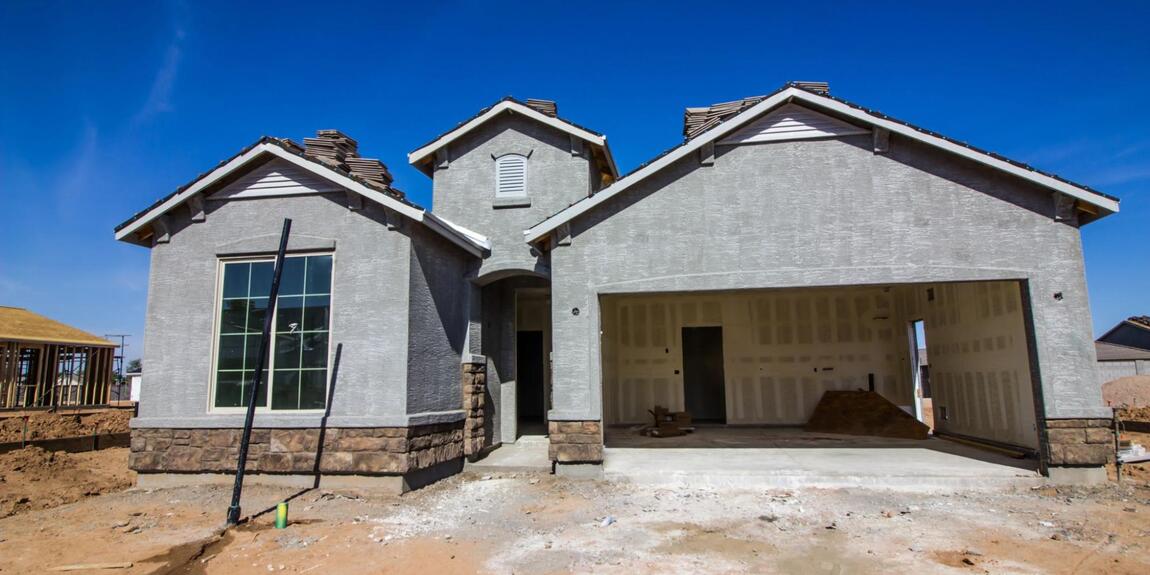
Beginning your custom home project during the traditionally slower summer months can offer surprising advantages.
- Builder availability and attention increase when demand from other buyers decreases.
- Your team can dedicate more focused time to your project without juggling multiple competing priorities.
- Subcontractor scheduling becomes more flexible, often resulting in faster progress through critical early phases.
Understanding the major phases of the process helps you appreciate how these seasonal advantages can benefit your timeline.
Foundation work and framing can progress efficiently during wet season months with proper planning and experienced builders who understand local conditions.
The timing also positions you perfectly for completion. Starting in June means your home reaches substantial completion around the time peak season begins the following year. You’ll be ready to enjoy your new home just as Southwest Florida’s perfect weather returns!
Navigating Current Market Conditions
The housing market operates differently for custom home buyers than it does for those purchasing existing inventory. While resale market conditions fluctuate with mortgage rates and interest rates, custom home building offers more stability. You’re not competing with multiple offers on a single property or dealing with the urgency of a seller’s market timeline.
Current mortgage rates affect your monthly payment calculations and overall affordability. Rather than waiting for rates to reach some ideal number, focus on whether rates fit comfortably within your retirement budget. The inventory of available homesites in desirable Southwest Florida communities often presents more pressing timing concerns than rate fluctuations.
Real estate prices for luxury homes in Cape Coral, Naples, and Marco Island reflect both location desirability and building costs. Market conditions influence land values and the cost of materials, but these factors affect all buyers equally at any given time. Your decision should center on whether you can afford to create the home you envision at today’s prices, not on predictions about future market movements.

Buyer’s Market vs. Seller’s Market Dynamics
Traditional definitions of buyer’s market and seller’s market apply differently to custom home building than to a standard resale transaction.
In a buyer’s market, you might find better pricing on homesites and potential builder incentives. Sellers of desirable waterfront locations in Cape Coral or premium lots in Naples may show more flexibility in negotiations. However, you’re not facing the same competitive bidding scenarios that frustrate buyers seeking existing homes.
On the other hand, a seller’s market might limit the availability of prime homesites. Desirable locations get claimed quickly, especially waterfront properties and golf community lots.
The supply and demand dynamics for finished inventory differ significantly from new builds. More homes entering the resale market doesn’t necessarily increase the availability of quality building sites in the locations you prefer.
Custom homes remain less susceptible to market swings that affect resale inventory. Your builder’s reputation, craftsmanship quality, and ability to execute your vision matter far more than whether the broader housing market favors buyers or sellers. Prices for materials and labor fluctuate based on demand, but a quality builder maintains consistent standards regardless of market conditions. Focus on choosing the right home builder rather than timing the market perfectly.

Financial Considerations Beyond Market Timing
Personal financial readiness matters more than broader market conditions when evaluating whether now is the right time for your custom home. Income stability in retirement provides the foundation for this decision. Lenders evaluate retirement income differently from employment income, so understanding how your financial picture translates to borrowing capacity is essential.
When assessing your financial preparedness, consider the key metrics that lenders typically evaluate. Your debt-to-income ratio, which compares your monthly debt payments to your gross monthly income, plays a significant role in loan approval. For major purchases like custom homes, lenders generally prefer to see this ratio below 36%.
Your credit score also factors heavily into both loan approval and the interest rates you’ll qualify for. While requirements vary by loan type, most conventional mortgages look for solid credit history and responsible financial management.
Savings need to be positioned appropriately for construction draws rather than a single closing payment. Beyond your investment in the home itself, financial advisors typically recommend maintaining an emergency fund covering three to six months of expenses. This cash cushion demonstrates financial stability to lenders and provides peace of mind throughout the building process.
If you know the home construction costs to expect, you can budget appropriately from the start. Home loan options for custom builds differ from traditional mortgage structures. Construction loans transition to permanent financing, requiring coordination between your lender and builder throughout the process.
Can you comfortably afford your vision regardless of small rate fluctuations? If waiting for a quarter-point decrease in mortgage rates means delaying four years of enjoyment in your dream home, that’s a poor trade.
If you want to see how different scenarios affect your rate and payment, you can use this federal interest rate exploration tool.
The ability to pay for your custom home according to the construction schedule matters more than whether rates are at their historical low point. Financial readiness means having confidence in your budget, understanding the loan process, and knowing you can handle the investment without stress. This personal assessment trumps attempts to time the broader market.

The Personal Readiness Assessment
Your personal timing matters far more than market timing. Several life stage indicators signal readiness that has nothing to do with mortgage rates or housing market conditions.
Life Stage Indicators
Have you recently retired or semi-retired? This transition creates both the time and motivation to invest in creating your ideal living environment.
Many of our clients spend increasing amounts of time in Florida, evolving from a small condo to a custom home as their primary residence. This progression happens because you realize how much you value the lifestyle here. The desire to create a family gathering space before grandchildren grow older provides a compelling timeline that market conditions can’t match.
Health and mobility considerations suggest building accessibility features now rather than retrofitting later. Even if you don’t need them now, it’s worth considering your future needs if you plan to be in your home for the next decade or more. These personal factors, especially those related to enjoying your retirement years fully, matter more than whether you save a half percentage point on your loan.

Questions to Ask Yourself
Rather than worrying over market conditions, answer these questions about your personal readiness:
- Do you have clarity on your floor plan needs for this life stage?
- Can you picture how you’ll use your spaces for entertaining, hosting family, and daily living?
- Have you identified your preferred location in Southwest Florida, whether that’s Cape Coral’s waterfront canals, a Naples golf community, or Marco Island’s luxury setting?
Going into your pre-construction meeting and knowing what to expect will help you evaluate whether you’re truly prepared for these important decisions.
- Is your financial position stable for a 12 to 18-month building timeline? Beyond simply having the funds available, consider whether your overall financial picture supports this investment comfortably.
- Do you have stable income sources in retirement?
- Is your credit in good standing?
- Have you maintained adequate savings beyond your home investment?
- Do current mortgage rates fit within your retirement budget, even if they’re not at historic lows?
Something else to consider… would waiting another year delay the enjoyment of your custom home? That’s not a theoretical question. Every year you delay is a year you’re not living in the home you truly want! These are the questions that deserve your attention as homebuyers evaluating your options.
Lastly, are you emotionally ready to commit to the custom building process? This journey requires decision-making about design, finishes, and features.
The response you give to these personal questions reveals more about your readiness than any market forecast. Your house becomes your home through these choices, and the right time to begin is when you’re prepared to engage fully in the process.
Why Custom Home Building Transcends Market Timing
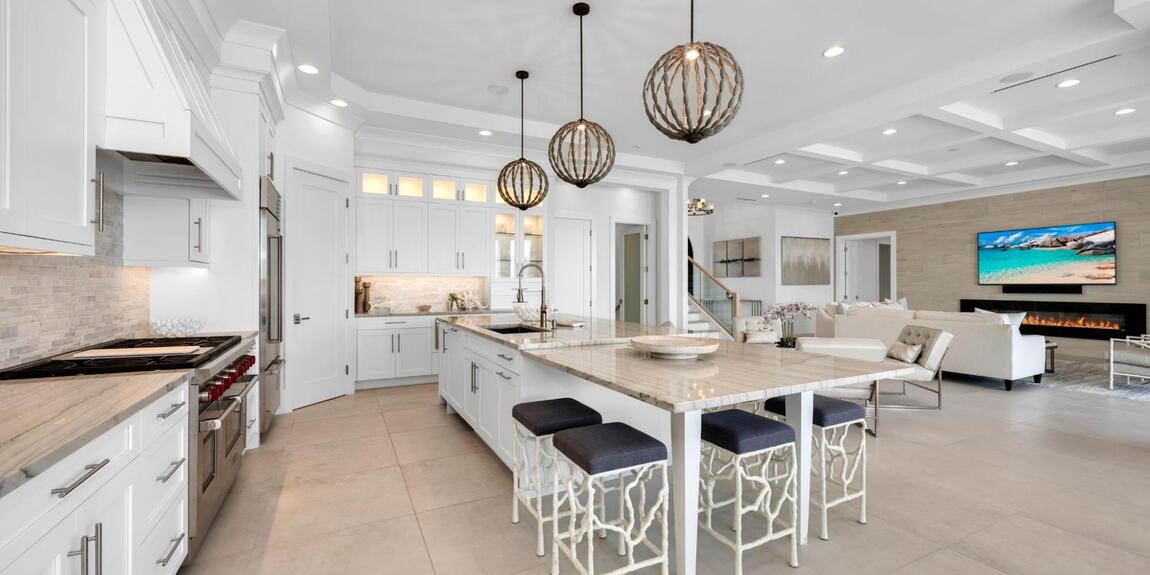
Custom home building serves goals that don’t follow market cycles. Legacy building and creating spaces that attract family visits represent priorities that remain constant regardless of whether interest rates rise or fall. Quality construction and hurricane-resistant features that protect your investment provide lasting value that appreciates over time.
The craftsmanship and customization available through a builder like Frey & Son can’t be found in the resale market, where you’re limited to what someone else envisioned. Industry data from the National Association of Home Builders also shows that custom home building tends to be less sensitive to interest rate cycles than other types of home construction.
Creating your ideal retirement sanctuary while you can fully enjoy it is about lifestyle fit, not market timing. From exterior home design elements that are trending right now to interior features tailored specifically to your needs, every choice reflects your personal vision.
Even in a weaker labor market, experienced builders maintain relationships with quality subcontractors who deliver superior results. Your relationship with your builder matters more than temporary fluctuations in mortgage rates. Selling is rarely a consideration when you’re building your forever home, which means short-term market movements have minimal impact on your long-term satisfaction. The average resale home can’t match the personalized design and quality that rise from a custom build tailored to your exact needs.
Making Your Decision
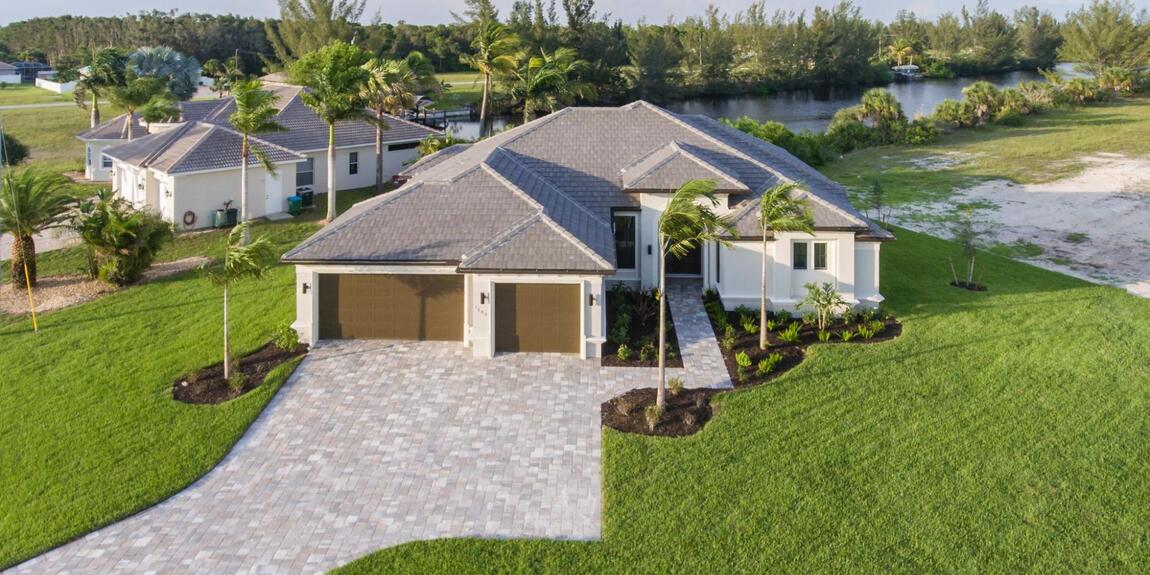
Is now a good time to buy? The honest answer is that there’s no universally perfect time for everyone. Your personal readiness matters more than market timing. Economic conditions, seasonal patterns, and mortgage rates all factor into the equation, but none of them matter as much as whether you’re truly ready to create the home that supports your retirement lifestyle.
The right home builder becomes your partner in evaluating your unique situation and guiding you through the process with confidence. Your dream home awaits, and the right time to begin might be closer than you think.