You’ve got a builder quote in hand. That number is accurate, and it covers a lot. But the complete investment in a custom home includes costs that fall outside the construction agreement, expenses that happen before the first pour and well after you move in.
After more than 50 years of guiding families through the custom home building process in Southwest Florida, we’ve learned that the families who enjoy the process most are the ones who go in with a complete financial picture.
Understanding your complete custom home budget means you can make confident decisions, prioritize what matters most, and fully enjoy the process without unexpected expenses.
In This Article:
- Land Preparation and Site Work
- Utility Connections and Infrastructure
- Permits and Impact Fees
- Construction Loan Considerations
- Closing Costs and Final Financing
- Change Orders and Contingency Planning
- Landscaping and Outdoor Living
- Flood and Wind Insurance
- Getting Ready to Move In
- Furniture and Interior Finishing
- First-Year Homeownership Costs
- Frequently Asked Questions

Why Understanding Hidden Costs Matters
Building a custom home is one of the largest financial decisions you’ll ever make. When you know what’s coming, you can make thoughtful choices about where to invest more and where to simplify without feeling like you’re reacting to surprises.
Working with a builder who’s transparent about the full scope of costs from day one makes a real difference. Clear documentation up front keeps your home aligned with both your vision and your budget, and it means the process stays exciting rather than stressful.
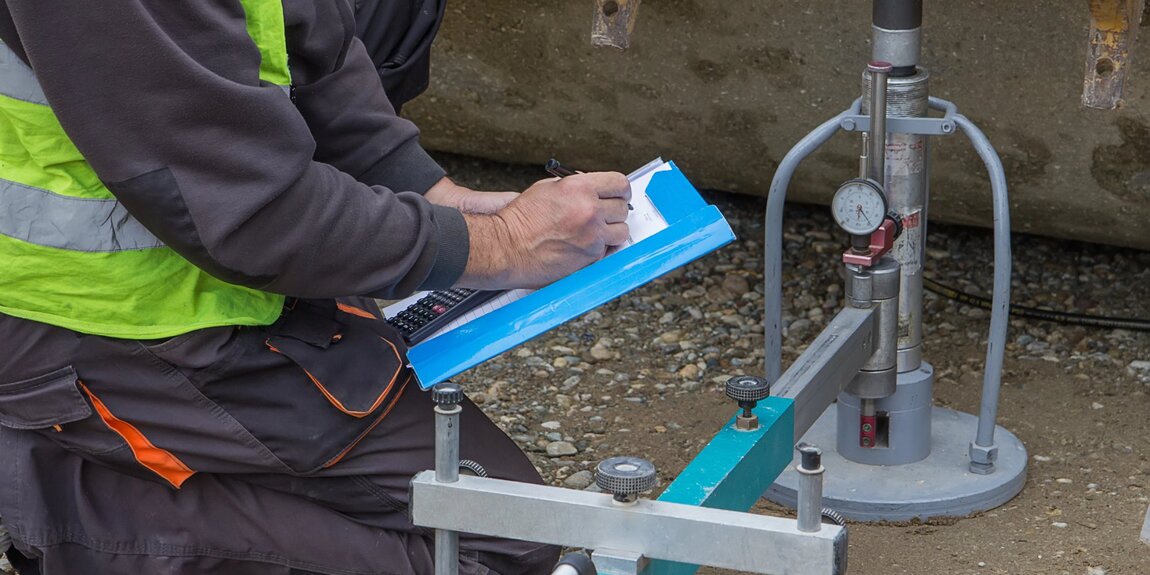
1. Land Preparation and Site Work
Site preparation costs vary widely depending on the condition of your land. This phase can include tree removal (typically $500 to $2,000 per tree), land clearing, and grading to create a level building surface.
In Southwest Florida, soil conditions vary significantly. Some homesites require minimal preparation, while others need extensive work. Cape Coral homesites frequently require fill, and properties in Golden Gate Estates can involve tree clearing, setbacks, and wildlife considerations like gopher tortoises or burrowing owls that add both time and cost to site prep.
Soil testing helps identify special foundation requirements early. According to HomeAdvisor’s septic system guide, soil engineers typically charge $700 to $2,000 for percolation tests and analysis.
An experienced local builder can walk your homesite and provide realistic estimates, helping you avoid budget surprises.
2. Utility Connections and Infrastructure
Connecting your new home to utilities represents another important consideration. Many Southwest Florida communities have water, sewer, electric, and gas ready at the homesite. Others require extending services from main lines.
If you’re building outside city water and sewer service areas, you’ll need a well and septic system installation. According to Florida septic installation cost data, standard systems typically cost $8,000 to $13,000, while advanced systems near wetlands can range from $20,000 to $30,000.
Temporary utility hookups during construction typically run $500 to $1,500 for installation and service throughout your build.
3. Permits and Impact Fees
Every custom home in Southwest Florida requires building permits and impact fees. These municipal charges fund schools, roads, fire protection, and community infrastructure.
Building permit costs typically range from several thousand dollars depending on your home’s size and location. Impact fees in Southwest Florida vary significantly by municipality, and in some cases they can run $10,000 to $20,000 or more on a single-family home. Lee County, Collier County, and individual cities each set their own rates. Your builder can pull the current figures for your specific location before you finalize your budget.
These fees are typically due before construction begins, so it’s worth knowing the number early, not after you’ve committed.
4. Construction Loan Considerations
If you’re financing your custom home, construction loans work differently from traditional mortgages. Fixed construction-to-permanent loan rates in Florida typically run 0.5% to 1% higher than conventional mortgage rates, though your rate will depend on your credit profile, lender, and loan structure. If you’re paying cash, you can skip ahead to number five.
During the build phase, you typically make interest-only payments. Your lender releases funds to your builder at specific milestones, called draws. Construction loan fees include origination charges, appraisal costs, and inspection fees.
Many buyers choose construction-to-permanent loans, which convert automatically to a traditional mortgage when your home is complete. One application, one closing, one set of closing costs.

5. Closing Costs and Final Financing
When your home is complete, closing costs apply. Florida closing costs for buyers typically range from 2% to 5% of your home’s value. On a custom home valued at $750,000, that’s $15,000 to $37,500 you’ll want to have accounted for well before you reach the finish line.
These costs include title insurance, escrow charges, recording expenses, and the final appraisal. Florida also charges documentary stamp taxes on the deed, a state-specific cost that catches some buyers off guard. The good news is that title insurance rates in Florida are state-regulated, so you won’t see wide variation between providers.
Paying cash doesn’t eliminate closing costs entirely. Cash buyers still pay for title insurance, recording fees, and documentary stamps. You’ll spend less than a financed buyer, but it’s still a line item worth planning for. Your builder and closing attorney can provide a detailed estimate specific to your homesite and purchase price well before closing day.
6. Change Orders and Contingency Planning
Even with thorough preparation, you might modify design elements once you see your home taking shape. Change orders allow you to adjust finishes, upgrade materials, or modify floor plan details after construction begins, but they typically add both costs and timeline shifts.
The best approach is to finalize all material selections before construction starts. An experienced builder walks you through those decisions methodically upfront, which means fewer surprises once the walls go up. When modifications are necessary, your builder can suggest smart substitutions that reduce expenses without compromising quality.
Setting aside a contingency fund of 10% to 15% of your construction cost provides flexibility for desired upgrades or unexpected expenses. Regularly reviewing expenses against your budget helps identify overspending early, allowing adjustments before issues become significant.
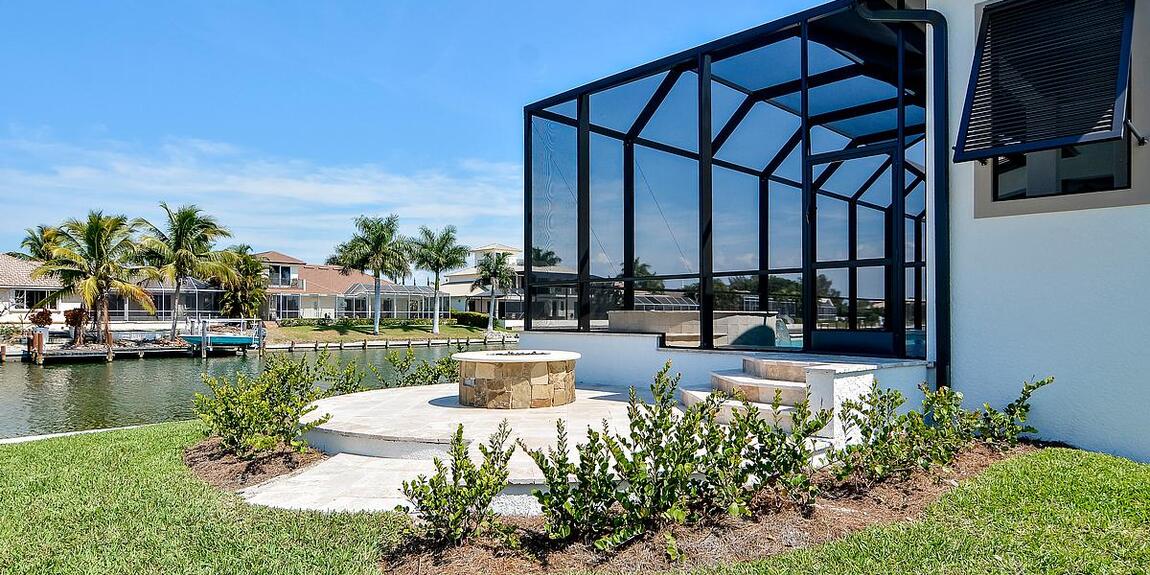
7. Landscaping and Outdoor Living
Outdoor spaces are one of the biggest lifestyle draws in Southwest Florida, and for good reason. The question isn’t really whether you’ll invest in them, it’s how much and when.
Landscaping projects range from $10,000 for basic irrigation and plantings to well over $100,000 for mature trees, extensive hardscaping, and sophisticated outdoor kitchens. The range is wide because the vision varies so much from buyer to buyer.
Pools are a separate line item worth planning for specifically. In Southwest Florida, inground pool installations typically range from $70,000 to $85,000, with custom designs and premium features pushing well past $100,000. Screen enclosures, which are essentially standard here given the climate and insects, add another $12,000 to $30,000, depending on size and wind-load engineering requirements.
If you’re building with Frey & Son, pool packages ranging from $85,000 to $150,000 can be coordinated as part of your build, keeping the process under one roof. On Marco Island, a pool allowance is included in the base price.
A phased approach works well for outdoor spaces. Start with irrigation and essential plantings, then add the pool, hardscaping, and finishing details as your budget allows. Your builder can help you think through what to coordinate during construction versus what makes more sense to add after move-in.
Once your build is underway, the next layer of planning shifts outside the walls.

8. Flood and Wind Insurance
Standard homeowners insurance does not cover flood damage. In Southwest Florida, flood insurance is a separate policy, and in many cases, it’s required by your lender. Statewide, NFIP flood policies average around $865 per year, but waterfront and canal properties in high-risk zones can run considerably higher.
Windstorm coverage is part of most policies, but a wind mitigation inspection ($150 to $250) documents your home’s hurricane-resistant features and can reduce the windstorm portion of your premium by 20% to 40% or more. Homes built to Florida’s post-2002 building code, as all Frey & Son homes are, typically qualify for meaningful credits.
Budget for both policies separately and get insurance quotes early in your planning process. The Southwest Florida coastal market carries unique insurance considerations worth understanding well before closing day.
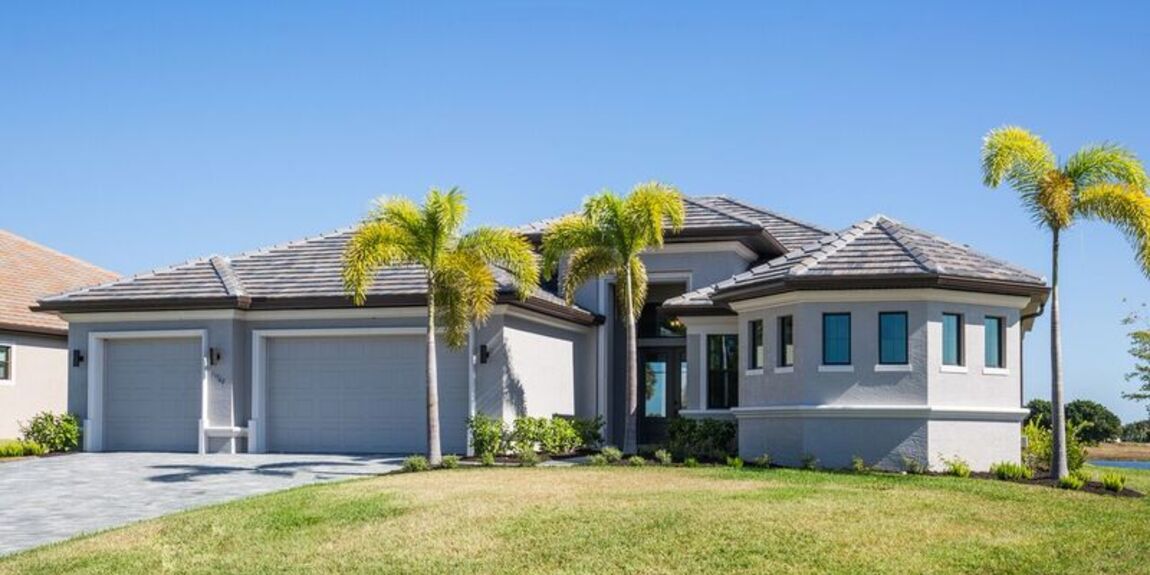
9. Getting Ready to Move In
A new custom home is a blank slate, which means window treatments, light fixtures, and finishing touches aren’t included. Custom window treatments alone, particularly on a larger home with significant glass, can run from several thousand to well over $20,000, depending on the number of windows and what you select.
Smart home technology beyond your builder-installed systems is another consideration. Whole-home audio, advanced security systems, and specialized lighting controls are common additions that are easiest and least expensive to plan for before you move in, rather than after.
Professional moving services are the other line item worth getting a quote on early. Whether you’re coming from across the state or across the country, coordinating the move with your construction timeline adds a layer of planning that’s easy to underestimate.
10. Furniture and Interior Finishing
A custom home is delivered move-in ready in terms of construction. What it isn’t is furnished. Many buyers underestimate this line item, particularly when transitioning from a fully furnished home elsewhere.
New rooms mean new scale. Furniture that worked in your previous home often doesn’t translate, and Southwest Florida’s indoor-outdoor lifestyle tends to call for more casual, coastal-appropriate pieces than what you may currently own. Budget for the fact that you may be starting closer to scratch than you expect.
Window treatments are the other big one. A home with significant glass, which most Frey & Son floor plans have, needs treatments that balance privacy, light control, and aesthetics. Custom options for a larger home can run $10,000 to $30,000 or more, depending on what you select.
The practical approach is to prioritize the rooms you’ll use most immediately, primarily the owner’s suite, kitchen, and main living areas, and phase the rest over your first year. It takes the financial pressure off without leaving you sitting in an empty house.
11. First-Year Homeownership Costs
Homeowners insurance in Southwest Florida requires special attention. According to 2025 Lee County insurance data, the average homeowners’ premium is approximately $3,631 annually. New construction often qualifies for better rates thanks to modern building codes and superior hurricane protection.
Property taxes, HOA dues if you’re building in a deed-restricted community, and utility setup all factor into your first year. Initial maintenance costs for new construction are minimal thanks to builder warranties, though minor issues may arise as your home settles.
Building with Confidence
Building a custom home in Southwest Florida is one of the most rewarding things you’ll do. Knowing what’s coming financially is what lets you stay focused on the parts that matter: the floor plan you’ve been refining, the homesite you’ve been imagining, the life you’re building here.
The families who enjoy this process most are the ones who went in prepared. Work closely with your builder from the beginning, ask the hard questions early, and make sure every cost category is accounted for before you break ground. An experienced builder brings decades of insight to those conversations, helping you anticipate what’s coming and make smart decisions along the way.
Frequently Asked Questions
These are the questions we hear most often from families planning a custom home build in Southwest Florida.
How much should I budget beyond my custom home construction price?
Is flood insurance required for new construction in Southwest Florida?
What are impact fees and how much are they in Southwest Florida?
Do I need a pool if I’m building in Southwest Florida?
What is a construction-to-permanent loan and how does it work?
How much should I set aside for a contingency fund?
Does new construction qualify for lower homeowners insurance rates?
What closing costs should I expect when my custom home is complete?