

You do not need to be debt-free to qualify for a mortgage on a custom home in Southwest Florida. Lenders focus on two key numbers: your debt-to-income ratio (ideally below 43%) and your credit score. Paying off debt before buying a house is less about eliminating every balance and more about building a strong, well-rounded financial picture.
If you’ve spent a lifetime making smart financial decisions, you already know that. But when the idea of building a custom retirement home starts to take shape, it makes complete sense to pause and ask the harder questions. Should I pay down what I owe first? Will the debt I carry affect my ability to get a home loan? How will a mortgage lender look at my full financial picture?
These are exactly the right questions, and asking them before the process begins is what separates a smooth building experience from a stressful one. Whether you’re thinking through paying off debt before buying a house or simply want to walk into a lender conversation well-prepared, this article gives you a clear, plain-language look at what actually matters and what you can do right now to feel ready.

Smart Questions Deserve Straight Answers
Not all consumer debt is treated equally by lenders, and understanding that distinction is the first step. A modest car loan, credit card payments on a running balance, and a personal loan all factor into your financial picture differently. The goal is not to reach a point where all your debts are eliminated. The goal is a strong, balanced financial profile that gives lenders confidence in your ability to manage a mortgage payment alongside your existing obligations.
Mortgage lenders are more willing to do business with borrowers who have their debt under control. That doesn’t mean debt-free borrowers, but those who demonstrate that their financial picture is manageable and well-considered. Two numbers carry the most weight in that evaluation: your debt-to-income ratio and your credit score. Both are straightforward once you know what drives them.
What are the Two Numbers That Matter Most?
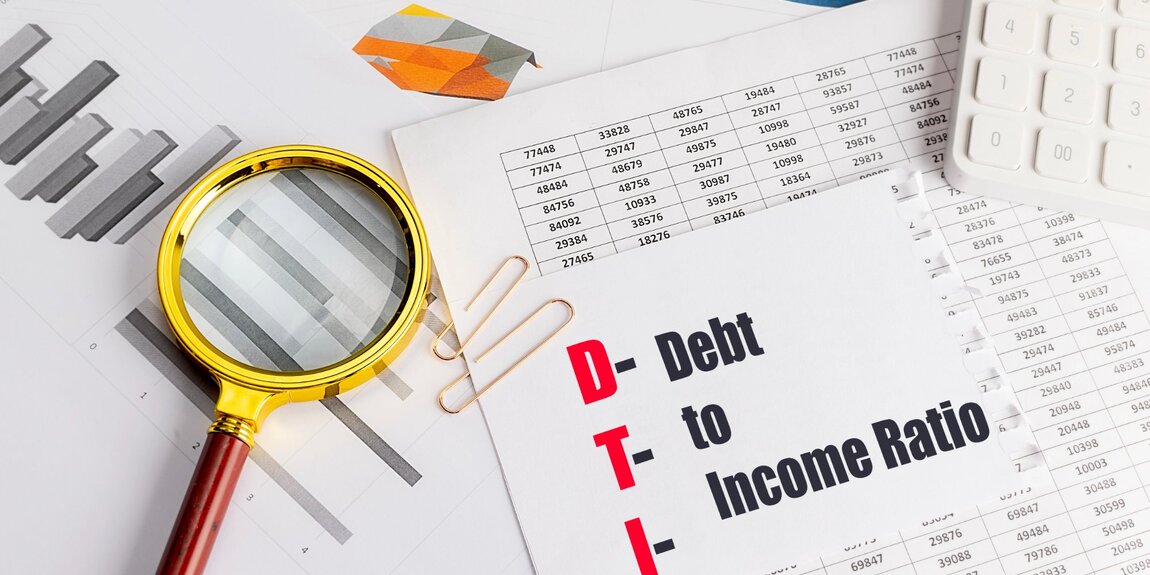
The two numbers mortgage lenders weigh most heavily are your debt-to-income ratio (DTI) and your credit score. Most lenders look for a DTI below 43%, with anything under 36% putting you in a stronger position. For your credit score, keeping credit utilization low, ideally well under 30% of your available credit, helps protect your number and can lead to better loan terms.
Your DTI is the percentage of your gross monthly income that goes toward monthly debt payments. Add up every recurring debt obligation, divide by your pre-tax monthly income, and that percentage is your DTI. According to the Consumer Financial Protection Bureau, qualified mortgages have historically used 43% as a DTI benchmark, with anything under roughly 36% putting you in a more competitive position for favorable terms.
Because DTI is a ratio, it responds to changes on both sides. Paying down current debts improves it. And so does more money coming in.
If your income comes from retirement accounts, Social Security, pensions, or investment distributions rather than a traditional paycheck, lenders can work with that. Clear documentation of those income sources is what matters.
A lower DTI can also mean qualifying for a larger mortgage, which gives you more flexibility when it comes to customizing your home the way you have envisioned. A strong DTI and good credit score together put you in the best possible position heading into that conversation.
Your FICO score reflects your history with credit over time, and one of its most significant components is credit utilization, which is the percentage of your available credit you are actually using. According to myFICO, lower utilization is generally better for your score, and keeping credit card balances well below your total credit limits helps protect that number. Amounts owed make up roughly 30% of your FICO score, which means a few straightforward adjustments can meaningfully improve a good credit score before you ever sit down with a lender.
Think of this less as a test to pass and more as a dial to tune. Most people in your financial situation are already closer to where they need to be than they realize.

Will Paying Off Debt Help You Build the Home You Want?
In most cases, yes. Paying down high-interest debt before applying for a mortgage can lower your DTI, improve your credit utilization, and strengthen your credit score. That combination makes you a more attractive borrower and can open the door to better loan terms, a larger mortgage, and more flexibility when customizing your home.
That said, the right move depends on your specific picture. Clearing a credit card balance before applying makes clear sense. Draining your savings to zero out a car loan the week before closing likely does not. A buyer who arrives at closing with no reserves is in a weaker position than one who carries a modest installment loan and still has solid savings in place.
Prioritizing debt based on its impact on mortgage eligibility is more effective than paying down balances at random. The practical approach is to target high-interest debt first, since it costs more over time and carries more weight with lenders. From there, the conversation shifts to what you are protecting on the other side of the ledger: your down payment fund and your reserves.
A Quick Real-World Example
Imagine a couple with a small car loan, several credit cards with revolving balances, and a healthy savings account earmarked for their dream home. In most cases, it makes more financial sense to aggressively pay down the higher-interest credit card debt while keeping the car loan in place and preserving a strong savings cushion. That balance leaves them in a better position with both their lender and their long-term financial goals than wiping out the car loan at the expense of their reserves.
It is also worth knowing that you can finance your dream home without having to come up with a 20% down payment, which means your savings strategy may have more flexibility than you think.
Do Savings Matter as Much as Debt?
A strong mortgage application depends on more than low debt. Lenders also evaluate what you have left after closing, including enough to cover closing costs while still maintaining cash reserves. Most financial planners recommend keeping three to six months of living expenses in an emergency fund, and many lenders will want to see that cushion still in place after your transaction is complete.
Saving consistently also helps you build equity from the start and may help you avoid private mortgage insurance, which adds to your monthly payment. Preserving your emergency fund is not just good for your application. It is a sound financial practice regardless of whether you are building a home. The takeaway is balance. Saving money and paying down debt can and should happen at the same time when managed thoughtfully.
Before you get too far into the process, it helps to list all debts, including interest rates and balances, so you have a clear starting point. For a practical look at how to structure your full financial picture before the process begins, our budget planning article is a good place to start.
Two Common Mistakes to Avoid Before You Apply
Once your financial picture is coming together, there are two missteps worth watching for as you move closer to applying.
The first is opening new credit accounts while you are actively preparing to build. New credit inquiries can temporarily affect your score, and lenders pay attention to recent activity on a mortgage application. If you are in the planning window, this is not the time to open a new card or take on significant new financing.
The second, and perhaps less obvious, is closing long-standing credit accounts in an attempt to clean up your profile. Closing older accounts can lower your average credit age and reduce your total available credit, which may actually raise your utilization rate and work against your score. In most cases, leaving established accounts open and simply keeping the balances low is the better move for your overall financial health.

Getting Clear on Your Finances Is Where It Starts
The reason you are asking these questions is not just about debt ratios. It’s because you are planning something that matters: a home built around the life you have worked toward. A place to host family, enjoy the Southwest Florida lifestyle, and invest in the next chapter with confidence.
Getting clear on your financial picture is not a hurdle to clear before the real work begins. It is the foundation that makes everything else possible. When you understand the full building process and know where you stand financially, you walk into every conversation with a builder and with a lender, ready to move forward toward your dream home.
If you have wondered how long the process takes once you are ready to begin, our timeline article walks through exactly what to expect. And if you have broader questions about the process, the Frey & Son FAQ page is a helpful resource to keep nearby.