Your Complete Timeline Guide: From First Meeting to Move-In Day
If you’re considering building a custom home, you’re probably wondering: how long does it take to build a house in Florida? It’s one of the most common questions we hear from families ready to create their new home. The uncertainty about construction timelines often makes retirees and downsizers hesitate between choosing new construction or buying an existing home.
The truth is that while every custom home building project is unique, understanding the typical timeline will help you plan with confidence. In Southwest Florida, most custom homes take 12 to 18 months from your first meeting to move-in day.
This guide will walk you through each phase of the home building process, giving you realistic expectations and helping you understand what factors might affect your timeline.

Understanding Florida’s Unique Construction Environment
Building a house in Florida comes with unique considerations that impact your construction timeline.
Climate Considerations That Impact Your Timeline
Florida’s weather conditions play a significant role in home construction. Hurricane season runs from June through November, and experienced home builders plan around these patterns. The good news? Florida’s building season can actually benefit construction timelines compared to northern states, where winter weather halts outdoor work for months.
The rainy season can occasionally delay site preparation and outdoor work. However, skilled builders work with Florida’s weather patterns rather than against them.
Florida’s Regulatory Landscape
Florida takes building safety seriously, especially hurricane resistance. All new construction must meet the 8th Edition (2023) Florida Building Code, designed to withstand high winds and flooding. While obtaining a building permit and meeting these requirements adds time to your project, it ensures your home will protect your family for generations.
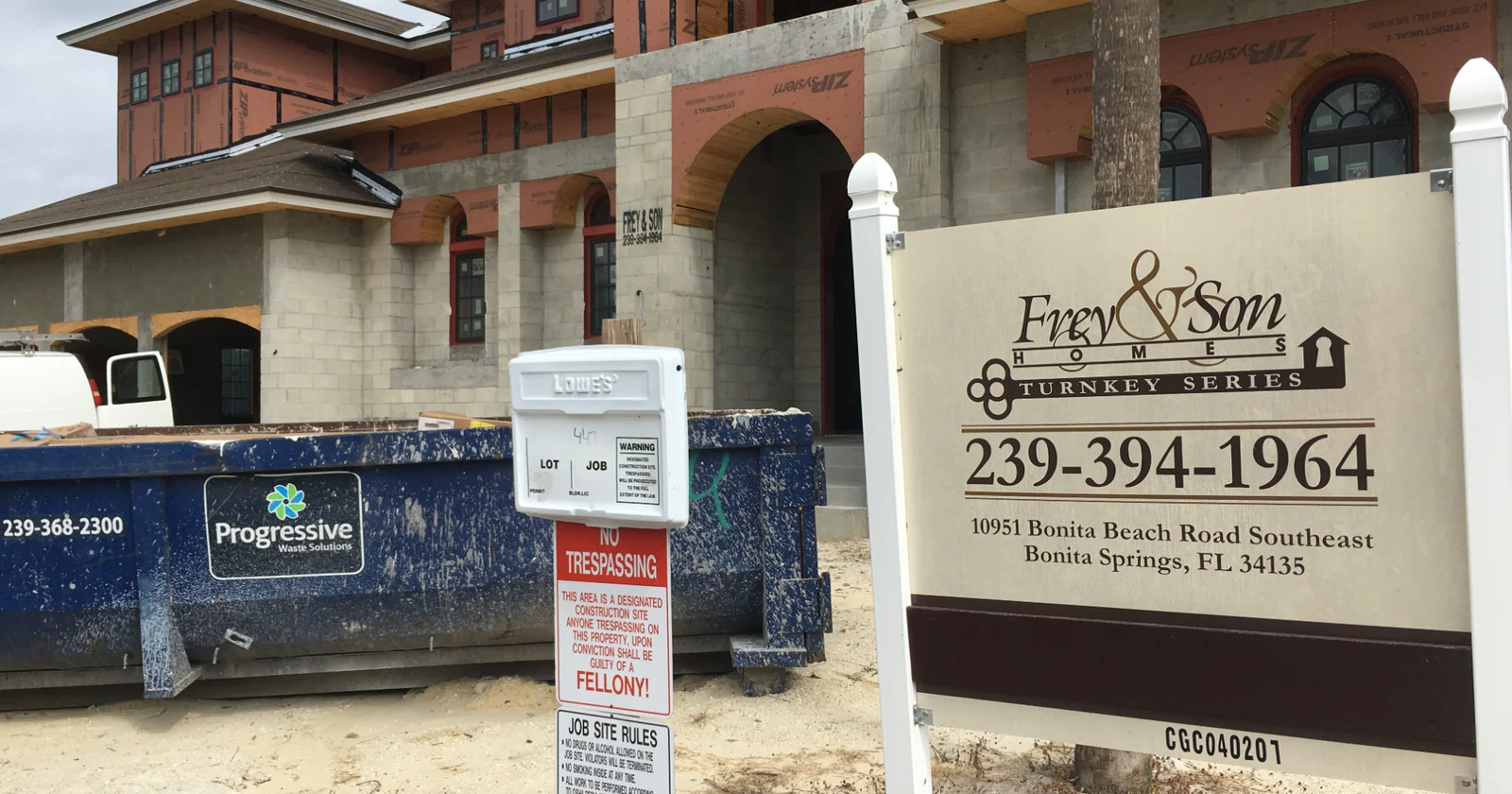
At Frey & Son Homes, we build exclusively with concrete construction rather than wood framing. This building method provides exceptional hurricane resistance and longevity that wood-frame homes simply cannot match. The additional time required for concrete construction is a worthwhile investment in your family’s safety and your home’s long-term value.
Environmental considerations also play a role. Coastal areas may have additional regulations requiring environmental assessments. Your builder should handle all the permits and regulatory requirements.
Seasonal Market Factors
Southwest Florida’s peak season runs from October through April. This increased demand can affect contractor availability and material delivery schedules. However, working with an established builder means having access to trusted suppliers and skilled craftsmen year-round.
Your Complete Home Building Timeline: Phase by Phase
Understanding each phase helps set realistic expectations for your construction timeline.
Pre-Construction Phase (3-4 months)
Your future home begins taking shape on paper during this phase. The design process typically takes 4 to 8 weeks, during which you’ll make all your design and material choices. This includes everything from floor plans to cabinet hardware.
Permit processing usually requires 6 to 8 weeks, depending on your location and project complexity. Your builder handles this process, but it’s important to understand that all the permits must be properly obtained before construction begins.
Construction loan finalization happens during this phase if you’re financing your build. Unlike traditional mortgages, construction loans have unique requirements and timelines.
Site Preparation and Foundation (2-4 weeks)
Once permits are approved, site preparation begins. Site excavation involves clearing your homesite and preparing it for construction. This phase includes connecting essential systems like water, sewer, and electrical service to your property. Site preparation and foundation work typically takes 2 -4 weeks, depending on where you’re building.
Foundation work varies depending on your location and soil conditions. Some areas require a crawl space, while others use slab foundations. Coastal properties may need special foundation techniques to meet flood requirements, such as pilings. Piling construction would require additional time and increased costs.
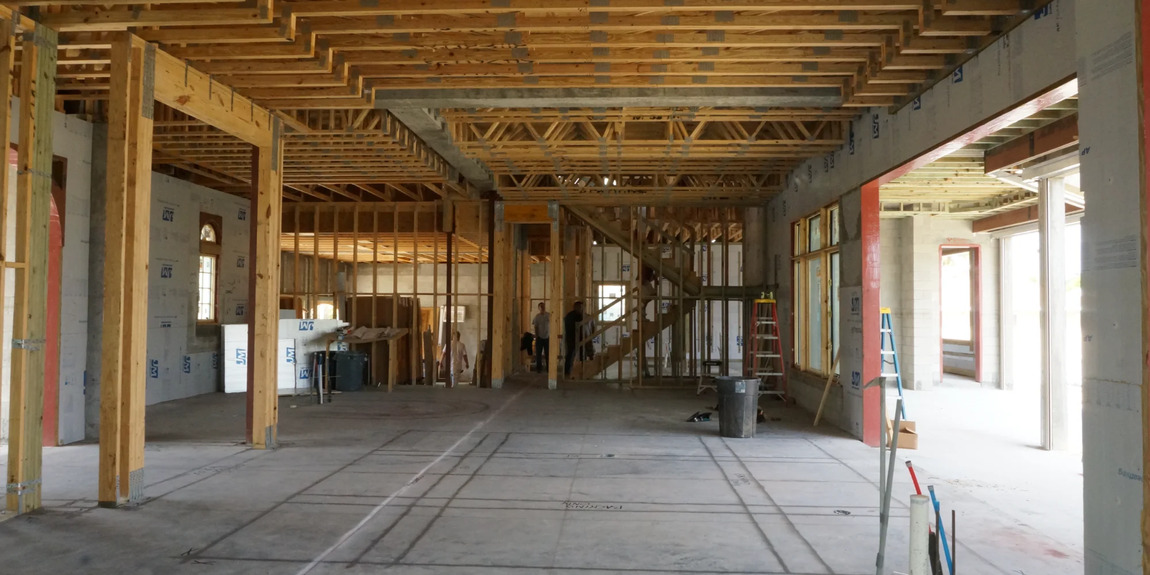
Framing and Structure (6-8 weeks)
This is when your home really starts to take shape. Frame construction creates the skeleton of your house, and you’ll be amazed at how quickly the structure appears. Roof trusses go up during this phase, defining your home’s final profile.
Initial electrical and plumbing rough-ins happen while the framing is exposed. Windows and doors are installed, making your home weather-tight for the remaining construction phases.
Systems and Interior Work (8-12 weeks)
This is the longest phase of home construction, and includes all the detailed work that makes your house a home. Electrical, plumbing, and HVAC systems are completed and tested. Modern homes often include smart technology integration during this phase.
Insulation and drywall create the interior walls and ceilings. Flooring, cabinetry, and interior finishes bring your design choices to life. If you’ve chosen solar panels or other energy efficiency features, they’re typically installed now.
Quality builders conduct multiple inspections during this phase to ensure everything meets high standards.
Final Phase and Move-In (4-6 weeks)
The final few weeks focus on finishing touches and preparing for your arrival. Final inspections ensure everything works perfectly and meets all building codes. Landscaping and exterior completion give your home its final curb appeal.
After a thorough final cleaning, you’ll walk through what will soon become the backdrop for your family’s most treasured memories. This final inspection with your builder ensures every detail meets the standards your family deserves. Once everything is perfect, you’ll receive the keys to the home you’ll pass down to future generations.
Factors That Can Affect Your Construction Timeline
While builders work hard to stay on schedule, several factors can impact your construction timeline.
What Can Speed Up Your Project
Having your homesite ready with utilities available can significantly reduce your timeline. Properties with existing access to water, sewer, and electrical connections start faster than those requiring new utility runs.
Making design and material choices early prevents delays later. Builders can order construction supplies and schedule subcontractors more efficiently when all decisions are finalized upfront. Choosing standard options rather than extensive customization typically moves projects along faster.
Working during optimal weather conditions helps, too. Careful planning around Florida’s seasons can minimize weather-related delays.

Common Causes of Construction Delays
Supply chain issues have affected many industries, including home construction. While most building materials are readily available, occasional shortages can delay construction by a few weeks. Experienced builders maintain relationships with multiple suppliers to minimize these impacts.
Site-specific delays due to protected species such as burrowing owls, gopher tortoise, and eagle zones, or if the property is designated protected wetlands, require a special permit outside of the builder’s control that can cause a delayed start and additional costs for special permitting and mitigation.
Weather conditions beyond normal seasonal patterns can cause delays. While Florida’s climate is generally construction-friendly, hurricanes or unusually heavy rain can temporarily halt outdoor work.
Change orders during construction typically delay construction timelines. While good builders accommodate reasonable changes, modifications during the building process require additional planning and scheduling.
Supply chain delays or inspection scheduling issues occasionally slow progress. Working with builders who have strong relationships with local building departments helps minimize these delays.
How Frey & Son Minimizes Delays
Frey & Son Homes has developed systems to keep projects on schedule. Our established relationships with trusted suppliers ensure reliable access to quality building materials. We maintain open communication throughout the construction process.
Our detailed project management accounts for potential delays before they happen. We also employ rigorous quality control measures that prevent rework, which is one of the biggest causes of construction delays.
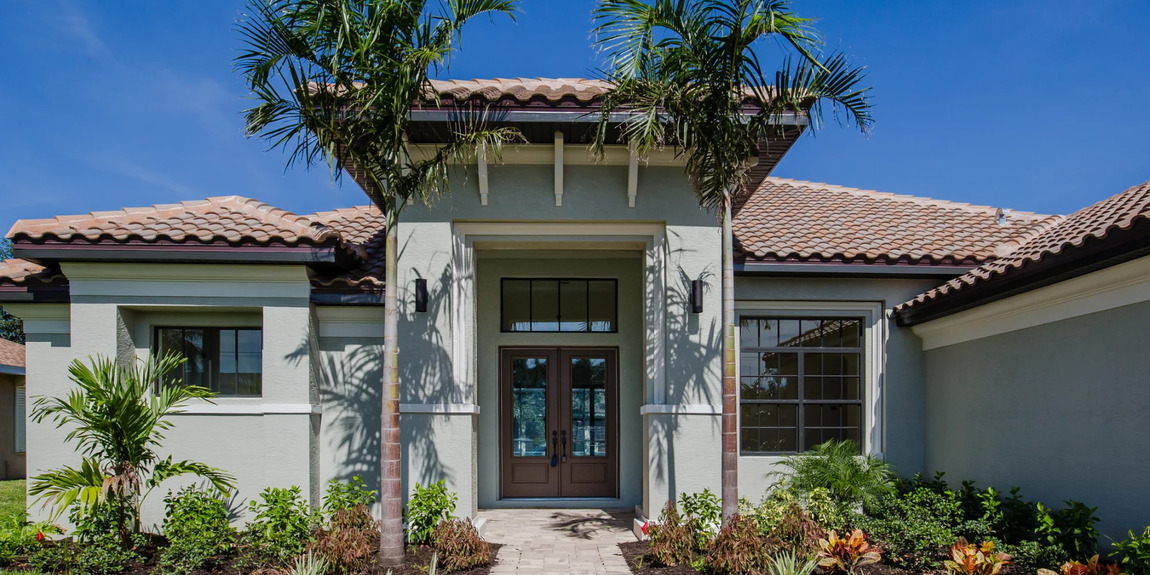
Florida Market Comparison: Timeline Differences by Location
Where you build in Florida can significantly impact your construction timeline.
Southwest Florida Markets
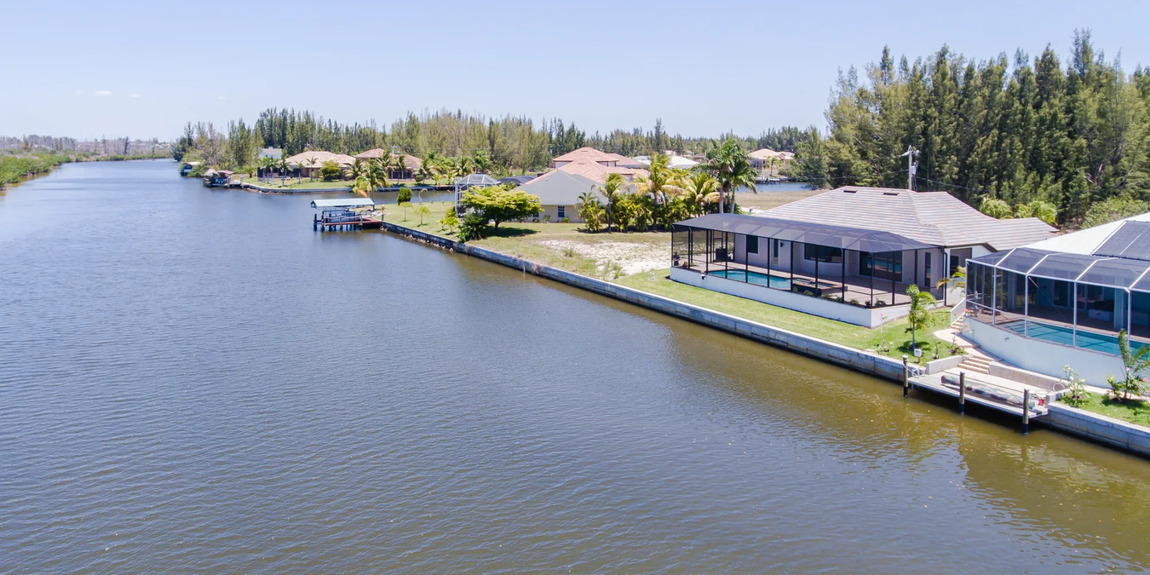
Cape Coral (Lee County) projects typically start 3 to 4 months from contract signing, with a construction duration of 9 to 12 months. Cape Coral benefits from established infrastructure and good contractor availability.
Naples and Marco Island (Collier County) projects usually start 4 to 5 months from contract, with a construction duration of 18 to 24 months. These luxury markets often require piling foundations and more elaborate finishes.

Other Florida Markets
Southeast Florida markets like Miami-Dade and Broward counties often have more complex regulatory environments. Hurricane-resistant requirements are even stricter in these coastal areas. Higher demand and limited contractor availability typically mean longer wait times.
Why Location Makes a Huge Difference
Local building codes vary significantly across Florida. Coastal areas have stricter requirements than inland locations. Contractor availability and expertise levels differ by region, affecting both quality and speed.
Material delivery logistics matter too. Understanding these differences helps explain why a custom home in Naples might take longer than one in Cape Coral, even with the same builder and similar square footage.
Making the Timeline Work for You
Smart planning helps ensure your construction timeline aligns with your personal schedule.
Planning Your Move-In Date
Work backward from your desired move-in date when planning your project. For example, if you want to enjoy your first holiday season in your new home, starting the design process in early spring gives you the best chance of success.
Consider seasonal factors that matter to you. Building in buffer time for unexpected delays is often a good idea. Adding an extra month or two to your expected timeline reduces stress and allows for any adjustments.
What You Can Do to Stay on Schedule
Make design decisions promptly when your builder requests them. Delays in choosing finishes can ripple through the entire construction timeline. The design process works best when you’re engaged and responsive.
Maintain open communication with your construction team. Being flexible with minor adjustments helps too. Working with your builder rather than against schedule realities keeps projects moving forward.
Why Quality Takes Time
Building a house right takes time, and rushing often creates problems later. Proper craftsmanship requires attention to detail at every phase. Quality construction methods, like concrete construction that provides superior hurricane protection and longevity, prevent costly repairs down the road and ensure your home stands strong for generations.
The peace of mind that comes with a well-built home makes the construction timeline worthwhile. When you’re living in your dream home, the time invested in building it right will feel like the best decision you’ve ever made.
Building a custom home in Florida typically takes 12 to 18 months from start to finish, but the exact timeline depends on your location, design complexity, and various external factors. Understanding each phase of the construction process helps you plan effectively and set realistic expectations.
While custom home building requires patience, the result is worth the investment. You’ll have a home designed specifically for your lifestyle, built to the latest standards, and crafted with the quality that comes from generations of experience. More importantly, you’ll create the setting where your family’s most treasured memories will unfold for generations to come.
The key to a successful building experience is choosing the right partner for your journey. At Frey & Son Homes, our 35+ years of experience building luxury custom homes in Southwest Florida means we understand exactly what it takes to deliver your dream home on time and built to last.
Frequently Asked Questions
Here are some of the most common concerns and questions that customers have about their home building timeline:
Is it really worth waiting for new construction instead of buying an existing home?
What’s the longest it might take to build a house in Florida?
Can I speed up the process by making changes during construction?
How do hurricane seasons affect construction schedules?
What happens if there are supply chain delays?
Should I be concerned about construction costs increasing during the build?
Do I need to be in Florida throughout the entire construction process?
How do I choose the right custom home builder in Southwest Florida?
Originally posted July 29, 2025. Updated January 13, 2026.